


Ferrous Sulfate (Iron(II) Sulfate): Properties, Applications, and Industrial Value

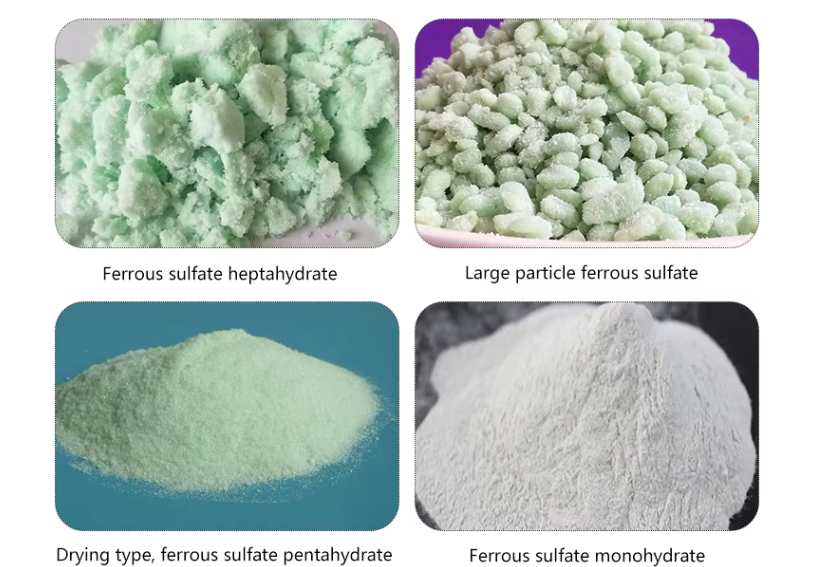
Ferrous sulfate, also known as iron(II) sulfate, is an inorganic compound widely used across water treatment, agriculture, and various industrial processes. Due to its stable chemical behavior and cost-effective performance, it remains one of the most practical iron salts in global markets.
1. Chemical Overview
Ferrous sulfate is typically available in hydrated form, most commonly as ferrous sulfate heptahydrate (FeSO₄·7H₂O). It appears as light green or bluish-green crystals and is soluble in water. When exposed to air and moisture, it may gradually oxidize, changing color and chemical state—this characteristic is important to consider during storage and transportation.
From an industrial perspective, ferrous sulfate is valued for its reducing properties and its ability to participate efficiently in iron-related chemical reactions.
2. Key Industrial Applications
Water and Wastewater Treatment
Ferrous sulfate is widely applied as a coagulant and reducing agent in water treatment systems. It helps remove suspended solids, phosphorus compounds, and certain heavy metals from wastewater. Compared with alternative iron salts, ferrous sulfate offers a balance between performance and cost, making it suitable for municipal and industrial treatment plants.
Agriculture and Soil Conditioning
In agriculture, ferrous sulfate is primarily used to correct iron deficiency in soil, especially in alkaline environments. It also plays a role in adjusting soil pH and improving nutrient availability. In some regions, it is applied as a moss control agent on lawns and turf.
Chemical Manufacturing
Ferrous sulfate serves as a raw material or intermediate in the production of pigments, iron oxides, and other iron-based compounds. Its controlled reactivity makes it suitable for processes requiring precise iron content.
Cement and Construction Industry
In cement production, ferrous sulfate is sometimes used to reduce hexavalent chromium (Cr⁶⁺) to its less harmful trivalent form, contributing to improved safety standards in construction materials.
3. Advantages in Commercial Use
-
High availability from multiple industrial sources
-
Cost-efficient compared with alternative iron salts
-
Versatile functionality across industries
-
Easy handling under proper storage conditions
These advantages allow ferrous sulfate to maintain steady demand in both developing and mature markets.
4. Storage and Handling Considerations
To preserve product quality, ferrous sulfate should be stored in a dry, well-ventilated environment, away from direct sunlight and strong oxidizing agents. Moisture exposure may lead to caking or oxidation, which can affect performance in sensitive applications.
Proper packaging—such as moisture-resistant bags or sealed containers—plays a critical role in maintaining stability during long-distance transportation.
5. Market Outlook
With growing emphasis on water treatment, environmental protection, and sustainable agriculture, ferrous sulfate continues to demonstrate strong market relevance. Its adaptability and economic value make it a long-term solution for industries seeking reliable iron-based chemicals.
Conclusion
Ferrous sulfate remains an essential inorganic compound with broad industrial significance. Whether applied in water treatment, agriculture, or manufacturing, its performance, availability, and affordability ensure its ongoing role in global supply chains.



contact us send message